
French-Indian dancer Nyota Inyoka 1896-1971
The Genius and the DanceAuteur(s) : LÉGERET-MANOCHHAYA Katia
Parution : 2023
En savoir plus...
ISBN 10 : 2705341053
ISBN 13 : 9782705341053
Pages : 140
Format (mm) : 160x240
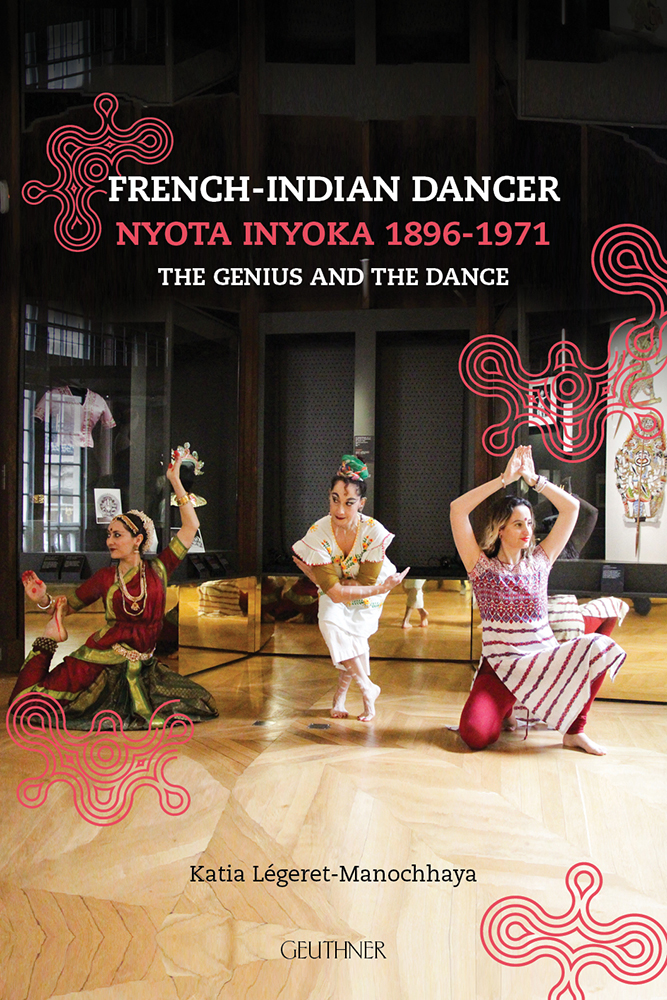
Nyota Inyoka created around 50 compositions combining Theatre, Dance and Music relating to India, between 1921 and her final performances in the 1950s. From the very beginning of her international career, she performed in the most prestigious theatres of the time, mainly in France, in Europe and in America. Nyota Inyoka was a pioneer in many respects. She was the first Franco-Indian woman artist in Indian modern dance, but was no doubt overshadowed by the first modern Indian dancer Uday Shankar. Nyota Inyoka was the first feminist Indian dancer to draw inspiration from Hinduism, as her innovation came through the medium of figures of goddesses. Historians have largely ignored this pioneer, certainly due to the fact that she is unclassifiable. Her work was shut into the category of oriental dance, with its presumptions related to the history and imaginary of colonialism, which press coverage of her performances was eager to highlight. Yet Nyota Inyoka was extremely close to the India of her time. But the exceptional nature of Nyota Inyoka’s work goes even further. She was the first in France to interpretate on a western stage the difficult portion of the most ancient Sanskrit dance treatise, encompassing the 108 karaṇa, an alphabet of poses and steps, for which so many Indian dance styles offer an interpretation. She did this particularly at the time of the reinvention of temple dances of southern India starting in the 1930s.
Starting in 2018 at the Bibliothèque nationale de France, a symposium with a research-creation next to Inyoka’s archives, include an interpretation of Nyota Inyoka’ Dances by contemporary women artists and researchers, to reconsider the complex history of modern dance and classical Indian dance together.
Katia Légeret is a researcher and Professor of Philosophy and Performing Arts at University Paris 8, where she leads the research team Scènes du monde [world stages]. Director and choreographer, she is a Bharata Natyam artist under the name Manochhaya, and a specialist in Indian classical and contemporary forms of dance theatre.
Discipline : Arts
Mots-clés : Dance, Nyota Inyoka, Music, India



 Denfert-Rochereau ou Raspail
