
French-Indian dancer Nyota Inyoka 1896-1971
The Genius and the DanceAuteur(s) : LÉGERET-MANOCHHAYA Katia
Parution : 2023
Ce livre est disponible
En savoir plus...
ISBN 10 : 2705341053
ISBN 13 : 9782705341053
Pages : 140
Format (mm) : 160x240
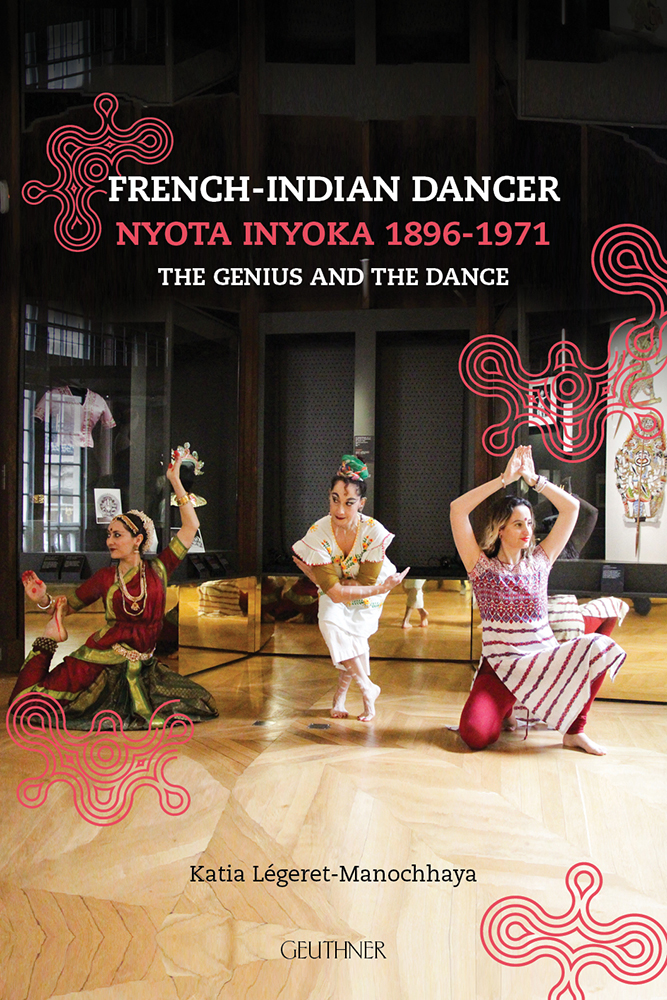
Nyota Inyoka created around 50 compositions combining Theatre, Dance and Music relating to India, between 1921 and her final performances in the 1950s. From the very beginning of her international career, she performed in the most prestigious theatres of the time, mainly in France, in Europe and in America. Nyota Inyoka was a pioneer in many respects. She was the first Franco-Indian woman artist in Indian modern dance, but was no doubt overshadowed by the first modern Indian dancer Uday Shankar. Nyota Inyoka was the first feminist Indian dancer to draw inspiration from Hinduism, as her innovation came through the medium of figures of goddesses. Historians have largely ignored this pioneer, certainly due to the fact that she is unclassifiable. Her work was shut into the category of oriental dance, with its presumptions related to the history and imaginary of colonialism, which press coverage of her performances was eager to highlight. Yet Nyota Inyoka was extremely close to the India of her time. But the exceptional nature of Nyota Inyoka’s work goes even further. She was the first in France to interpretate on a western stage the difficult portion of the most ancient Sanskrit dance treatise, encompassing the 108 karaṇa, an alphabet of poses and steps, for which so many Indian dance styles offer an interpretation. She did this particularly at the time of the reinvention of temple dances of southern India starting in the 1930s.
Starting in 2018 at the Bibliothèque nationale de France, a symposium with a research-creation next to Inyoka’s archives, include an interpretation of Nyota Inyoka’ Dances by contemporary women artists and researchers, to reconsider the complex history of modern dance and classical Indian dance together.
Katia Légeret is a researcher and Professor of Philosophy and Performing Arts at University Paris 8, where she leads the research team Scènes du monde [world stages]. Director and choreographer, she is a Bharata Natyam artist under the name Manochhaya, and a specialist in Indian classical and contemporary forms of dance theatre.
Mots-clés : arts, dance, india, Nyota Inyoka, Music
Nos lecteurs ont aussi aimé
DANSER LA FORÊT Yoga et écologie du bharata-natyam
DANCING THE FOREST Yoga and ecology of bharata-natyamAuteur(s) : LÉGERET-MANOCHHAYA Katia
Parution : 2023
Ce livre est disponible
En savoir plus...
ISBN 10 : 2705341060
ISBN 13 : 9782705341060
Pages : 156
Format (mm) : 210x210
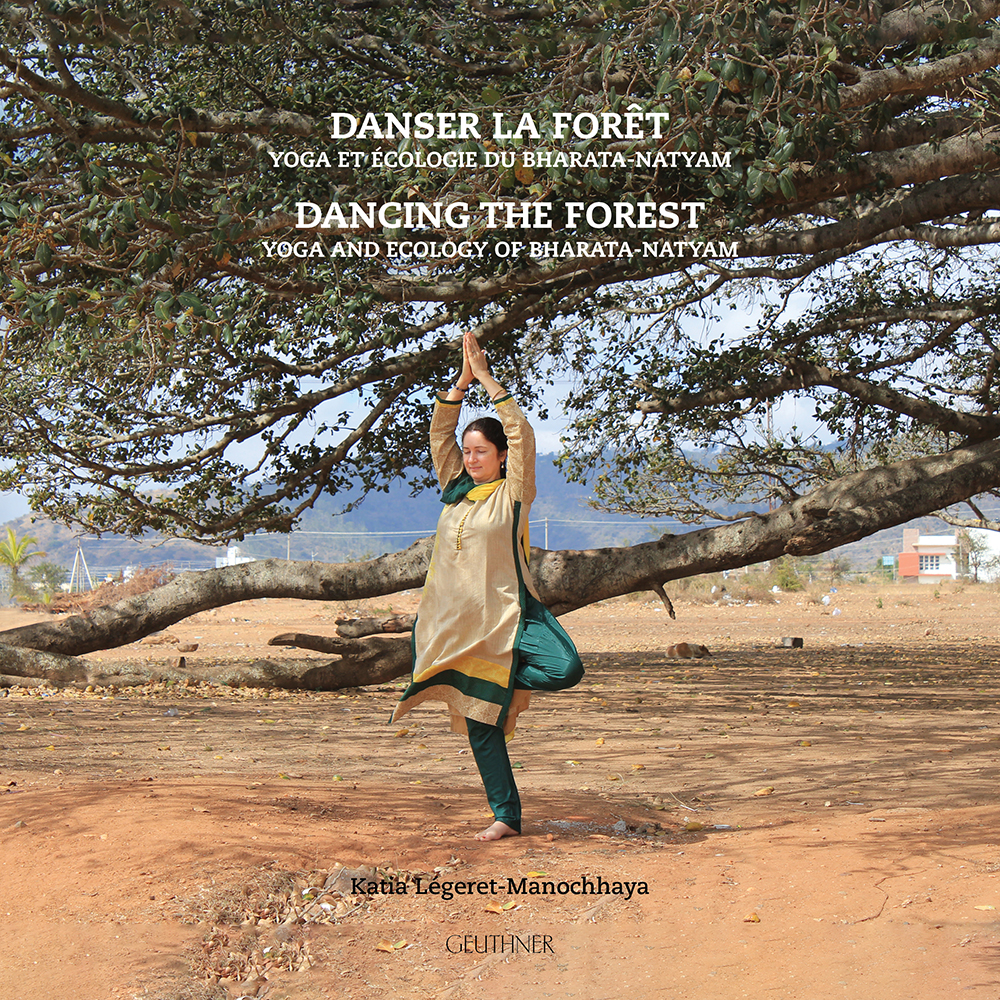
À la fois yoga, art martial, théâtre, danse, poésie et musique, le bharata-natyam puise sa sagesse en Inde dans l’observation de la nature et de ses mouvements, en particulier ceux des arbres. L’Abhinaya-darpaṇa, un texte antérieur au VIe siècle, a élaboré une gestuelle des arbres exceptionnelle, mais très rarement traduite et pratiquée. Katia Légeret-Manochhaya vous invite à la découvrir. Elle y fait fructifier la transmission du maître de bharata-natyam K. Muralidhar Rao qu’elle a reçue à Mysore de 1985 à 2014.
Dans son enseignement oral qui accompagne ce livre, il s’agit de se ressourcer avec les arbres qui nous entourent, à l’intérieur et à l’extérieur de soi, par la méditation, la respiration et le mouvement. La gestuelle des arbres est une énergétique puissante qui harmonise en nous-mêmes rythmes, souffle et sérénité.
Nos enseignements artistiques sont proposés sur le site www.creons-au-musee.com
Combining yoga, martial art, theatre, dance, poetry and music, bharata-natyam draws its wisdom from the observation of nature and its movements, in particular those of trees. The Abhinaya-darpaṇa, a text that dates from before the 6th century, codified an exceptional gestural language of trees, but it is very rarely translated and practiced. Katia Légeret-Manochhaya invites you to discover it. In this way she passes on the teachings of bharata-natyam master Muralidhar Rao which she received at Mysore from 1985 to 2014.
Her oral teachings, which accompany this book, are concerned with nourishing ourselves with the trees that surround us, inside and outside ourselves, through meditation, breathing and movement. The gestural language of trees is a powerful energy that harmonises our rhythms, breath and serenity.
Our artistic teachings are available on the site www.creons-au-musee.com
Katia Légeret est artiste de bharata-natyam (théâtre dansé de l’Inde) chercheuse et professeure des universités en philosophie de l’art. Elle a publié de nombreux ouvrages sur les arts de l’Inde, sur la médiation culturelle au musée et sur les liens entre art et écologie.
Katia Légeret is a bharata-natyam artist (dance theatre of India), university professor and researcher of philosophy of art. She has published numerous works on the arts of India, cultural mediation in museums and the links between art and ecology.
Mots-clés : arts, Inde, musique, poésie, danse, théâtre, yoga, bharata-natyam, art martial
Créons au musée
Performances des arts vivantsAuteur(s) : Collectif, LÉGERET Katia
Parution : 2019
Ce livre est disponible
En savoir plus...
ISBN 10 : 2705340209
ISBN 13 : 9782705340209
Pages : 330
Format (mm) : 160x240
Site web : http://www.creons-au-musee.com
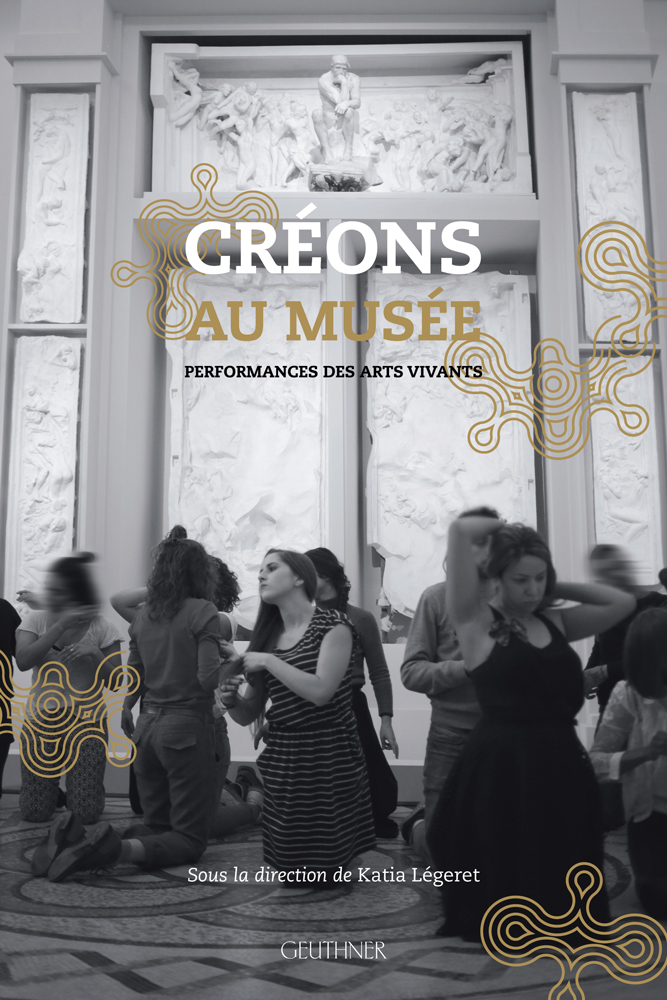
Comment les jeunes générations rêvent-elles de visiter, au XXIe siècle, les lieux d’expositions ? Avec quels genres de relations à leur corps, aux déplacements dans l’espace, aux démarches, aux postures devant les œuvres et avec les autres visiteurs ? Depuis 2015, tissant un réseau international, des centaines d’étudiants, artistes et chercheurs, fabriquent in situ toutes sortes de dispositifs artistiques et poétiques pour exprimer leur parcours muséal idéal, souvent inséparable d’un engagement politique hors les murs sur des questions d’actualité brûlante, de crises sociétales, de patrimoines oubliés, déplacés ou disparus. Mais à quel prix et à partir de quelles contraintes institutionnelles ? Que ce soit en Europe, en Amérique latine, ou en Asie, ils bouleversent certains codes entre les visiteurs pour créer un être-ensemble capable d’ouvrir l’éventail de nouvelles approches sensibles et transculturelles sur une même œuvre.
Voir tous les collectifs Geuthner
Mots-clés : arts, performance, musée
Performing Arts at the Museum
Auteur(s) : LÉGERET Katia
Parution : 2025
Ce livre est disponible
En savoir plus...
ISBN 10 : 2705341350
ISBN 13 : 9782705341350
Pages : 136
Format (mm) : 160x240
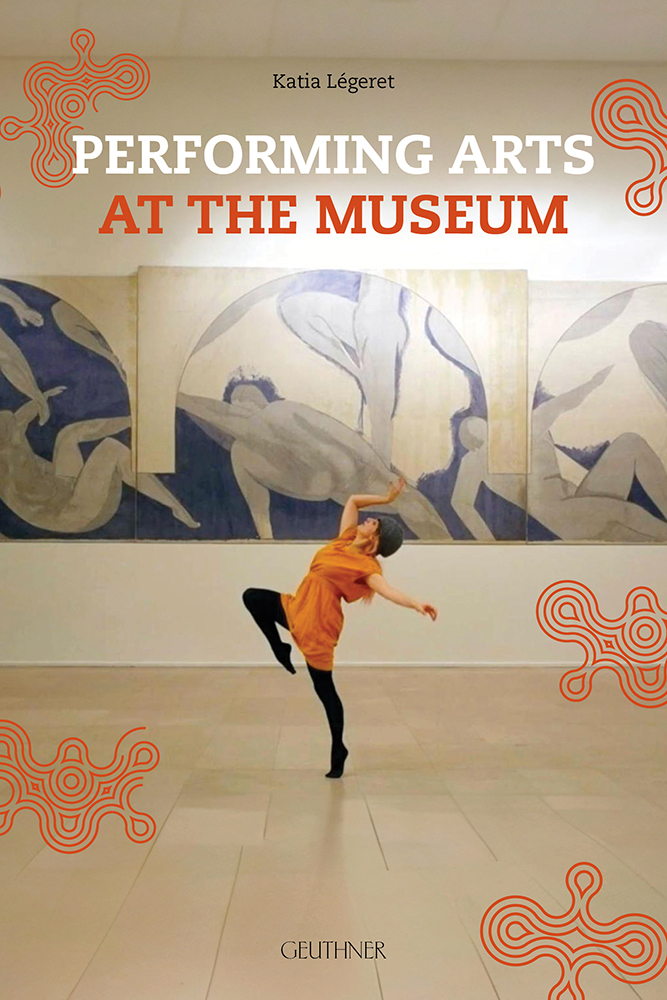
How do younger generations imagine visiting exhibition sites and museums? What sorts of artistic interactions might this involve in relation to the works? How are they moved by the sculpture of an ancient Indian deity, uprooted from her place of origin and exhibited in Paris? Since 2012, an international network has developed involving hundreds of students, artists and researchers spanning France, India, Europe and Latin America, who have created all sorts of in situ artistic performances (dance, theatre, music, poetry), in order to convey their ideal museum experience. They are shaking up certain codes between visitors to create forms of togetherness, involving sensitive, transcultural and ecological approaches for the transmission of intangible heritage. The videos of these performances are available on the project website www.creons-au-musee.com.
Katia Légeret is a researcher and Professor of Philosophy and Performing Arts at University Paris 8. Director and choreographer, she is a Bharata-natyam artist under the name Manochhaya, and a specialist in Indian classical and contemporary forms of dance theatre. She is the author, in particular, of Dance Theatre of India, Crossing New Aesthetics and Cultures (Niyogi Books, 2018), and has edited collective works including Rodin and the Dance of Shiva (Niyogi Books, 2016) and Créons au Musée, (Geuthner, 2019), relating to international research projects involving partnerships in Paris with RMN-Grand Palais, the National Museum of Asian Arts-Guimet and the National Library of France (BnF).
Voir toutes les monographies Geuthner
Mots-clés : arts, art, dance, performance, choreography, museum, museum experience
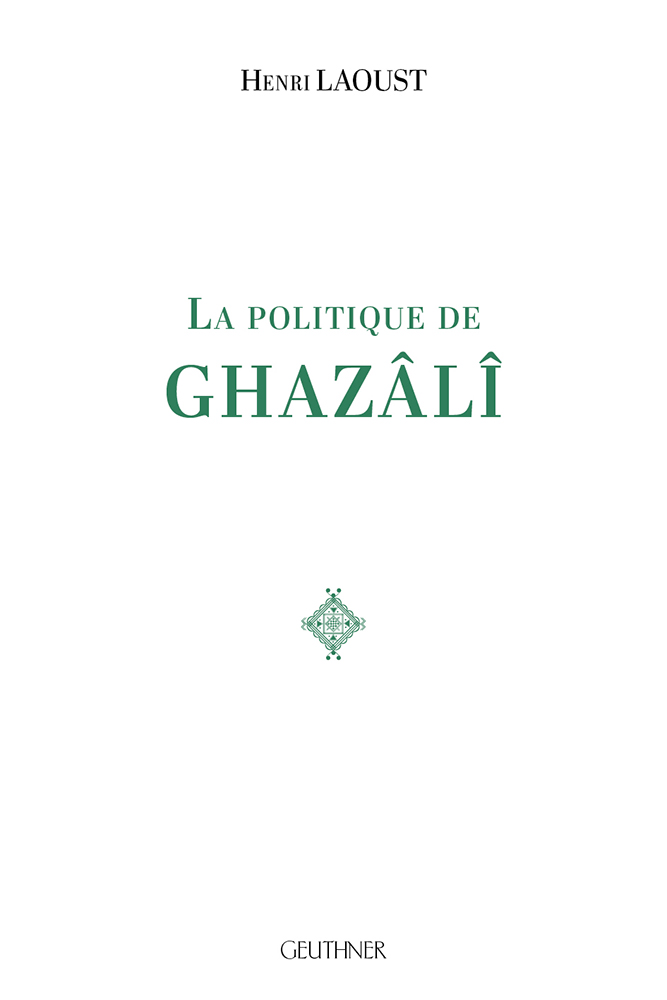
La politique de GHAZÂLÎ
Auteur(s) : LAOUST Henri
Parution : 2021
Ce livre est disponible
En savoir plus...
ISBN 10 : 2705340827
ISBN 13 : 9782705340827
Pages : 414
Format (mm) : 160x240
Abû Hâmid al-Ghazâlî, 1058-1111, est une figure connue dès le Moyen-âge en Occident sous le nom d’Algazel : elle est emblématique de l’Islam classique. Il influença, entre autres, Averroès, Maïmonide, Thomas d'Aquin, Dante, Descartes. Après une carrière brillante au sommet de l’intelligentsia abbasside, il fut confronté aux marasmes précurseurs de la chute de Bagdad. Il la quitte à l’âge de trente-huit ans pour ne jamais y revenir. Déçu dans sa recherche d’une vérité philosophique finale, il recourt au « doute créateur » qui lui ouvre la voie soufie, où la raison passe la main à l’intuition et à la foi, en une intelligence globale qui gère, à la perfection, les cas particuliers, sans exception, dans une harmonie universelle. Ayant réussi à concilier Révélation et Expérience factuelle, il vécut ce qu’il lui restait d’une vie simple et pleine puis il mourut, à l’âge de cinquante trois ans, en paix et en toute conscience.
Henri Laoust, 1905-1983, est l'auteur de travaux fondamentaux sur l’histoire des courants de pensée en Islam, il nous a laissé nombre d’études et de traductions, d’ibn Taymiyya, de Rachîd Rida, entre autres. Très documentées, ses recherches offrent des synthèses raisonnées d’une rare qualité. « La Politique de Ghazâlî » en est un parfait exemple. Bien que cette figure ait fait l’objet de nombreux travaux, la présente œuvre restera un modèle de précision et de clarté, concernant al-Ghazâlî. Elle offre aussi un tableau d’une remarquable netteté du califat abbasside et de l’orient musulman, à une époque charnière de l’histoire universelle.
Mots-clés : islam, Religions, soufisme, Abû Hâmid al-Ghazâlî, Algazel, Islam classique
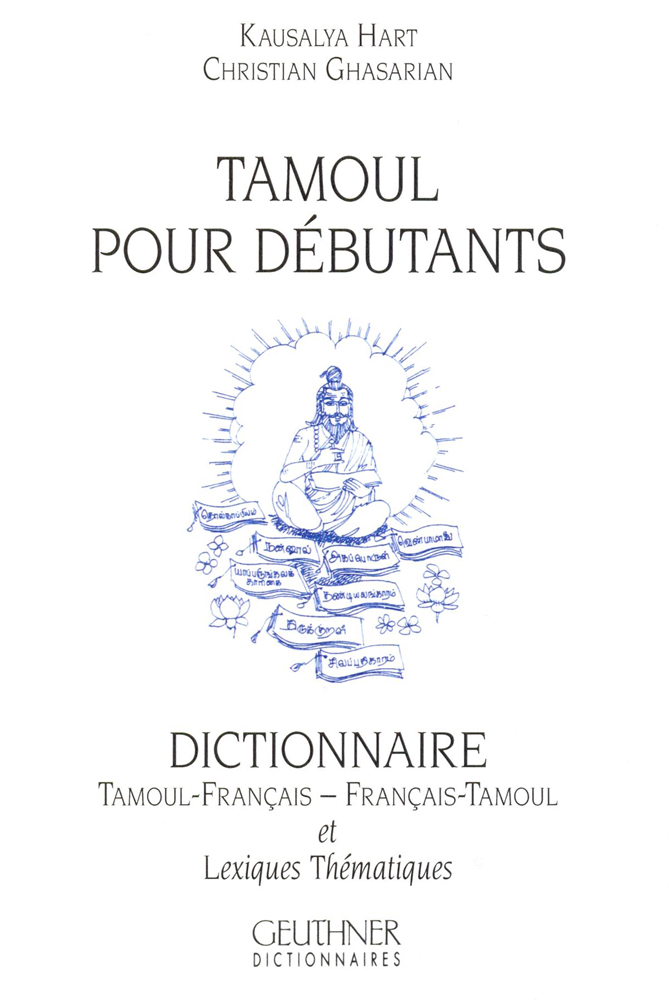
Tamoul pour débutants
Dictionnaire tamoul-français / français-tamoul et lexiques thématiquesCollection : Manuels
Auteur(s) : HART Kausalya, GHASARIAN Christian
Parution : 1996
Ce livre est disponible
En savoir plus...
ISBN 10 : 2705319573
ISBN 13 : 9782705319571
Tome : 3
Pages : 128
Format (mm) : 160x240
Poids : 210g
Mots-clés : Linguistique-Dialectologie, Inde, langue, tamoul



 Denfert-Rochereau ou Raspail
